There are moments in General Hospital when the drama stops being entertaining and starts feeling like a moral nightmare, and this is one of them. Nina Reeves is no longer just dealing with family conflict—she is facing an impossible choice that cuts to the core of what it means to be a mother. Her daughter, Willow Tait, has crossed a line that cannot be ignored, and now Nina must decide whether love means protecting her… or stopping her. The question isn’t simple anymore. What do you do when your child becomes the danger?
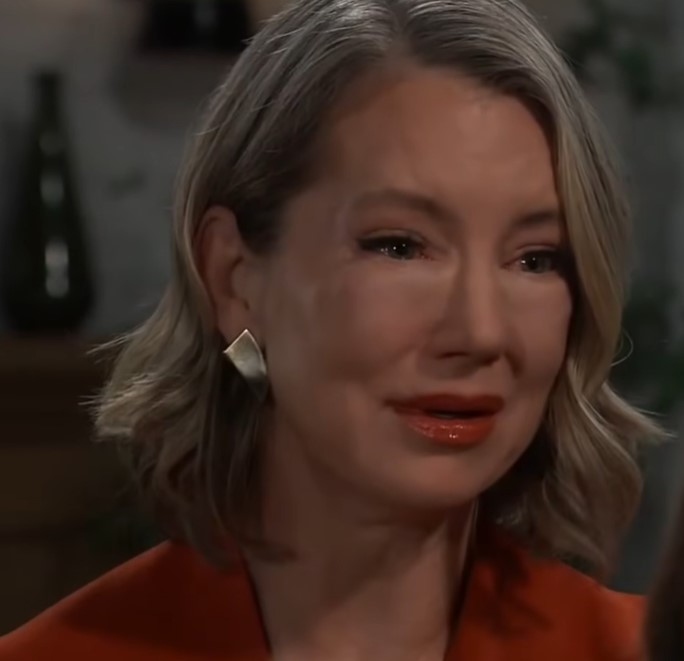
For most fans, the answer is shockingly clear: real love is not about covering up the truth—it is about confronting it head-on. Across reactions, one idea dominates: if Nina truly loves Willow, she has to turn her in. This isn’t cruelty, it’s what many are calling “tough love.” Willow’s actions—shooting Drew Cain, manipulating those around her, and spiraling deeper into deception—are no longer mistakes. They form a pattern. And that pattern points to escalation. Fans aren’t just worried about what Willow has already done; they’re terrified of what she might do next if no one stops her.
At the same time, the debate isn’t just about punishment—it’s about whether Willow is even fully in control of herself. Some viewers believe she is experiencing a psychological breakdown, someone who desperately needs intervention, therapy, and possibly institutional care before things get worse. Others argue the opposite, insisting that Willow knows exactly what she’s doing and is choosing manipulation over accountability. But here’s the striking part: no matter which side fans fall on, they all land in the same place. Nina cannot stay silent. Whether it’s to save Willow or to stop her, action is no longer optional.
What truly shifts the emotional weight of this story, however, is not Willow—it’s the children. The presence of Willow’s kids transforms this from a personal dilemma into a moral emergency. Fans overwhelmingly agree that protecting the grandchildren must come first. If Willow is unstable, unpredictable, and capable of harming others, then the children are no longer safe in her care. This isn’t just speculation—it’s fear. Fear that they could witness something traumatic, or worse, become victims themselves. In that light, Nina’s decision is no longer about choosing between right and wrong for her daughter. It becomes a question of protecting innocent lives.
And yet, the situation is far more complicated than a simple call to the police. Willow has already pulled Nina into her web, forcing her into actions that could implicate her as well. By manipulating her into participating—leaving fingerprints, creating evidence—Willow has effectively trapped her mother. This isn’t just emotional pressure; it’s strategic control. Nina isn’t standing outside the crime looking in anymore. She’s inside it. That changes everything. Turning Willow in could mean destroying herself in the process, and that’s exactly what makes this storyline so explosive.
At the heart of it all is a devastating emotional truth: this is betrayal at its most personal. Nina has always wanted a relationship with her daughter, has fought for it, sacrificed for it, and believed in it. Now she’s being manipulated and blackmailed by the very person she tried to love unconditionally. That kind of pain doesn’t just complicate her decision—it paralyzes it. Because if she turns Willow in, she risks losing her forever. But if she doesn’t, she may lose everything else.
In the end, there is no clean choice for Nina. Staying silent could protect her bond with Willow, but it puts others in danger and allows the chaos to grow. Speaking out could save lives and possibly force Willow to get the help she needs, but it would shatter whatever remains of their relationship. This is the kind of dilemma that defines great soap storytelling—no easy answers, only consequences.
And that’s why fans are so divided, yet so invested. Because beneath all the drama lies a haunting question that doesn’t just belong to Nina—it belongs to everyone watching. Is it still love if you let someone destroy themselves… or is real love the moment you finally decide to stop them?